
The organic fertilizer granules machine is the heart of the production line, directly influencing output capacity and operating costs. Selecting the wrong model frequently leads to issues such as machine clogging, granule breakage, and failure to meet production targets.
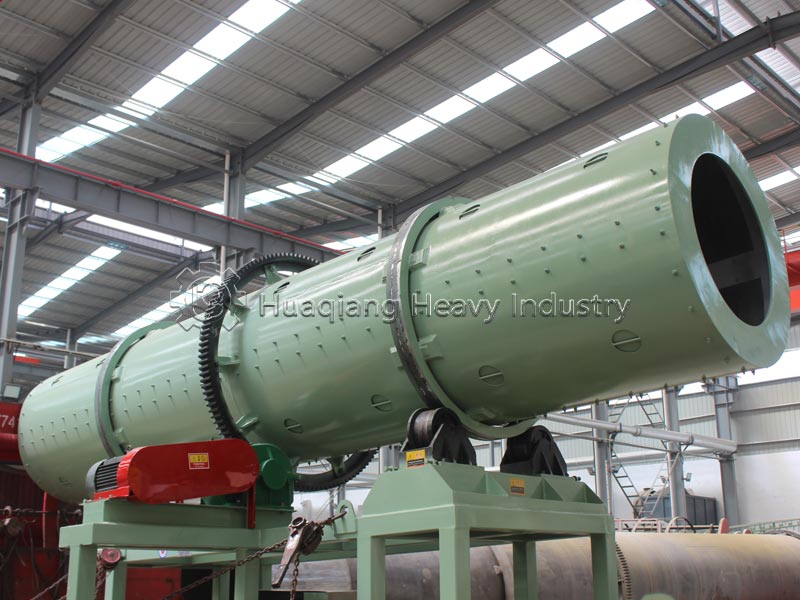
Model selection begins with material characteristics. Decomposed livestock manure—characterized by fine fibers and good adhesiveness—is well-suited for disc or rotary drum granulators, yielding smooth, round granules. Conversely, coarse-fiber materials like crop stalks and spent mushroom substrate require flat die or ring die pelleting machines. If the material's moisture content exceeds 35%, extrusion granulators are prone to slippage and failure to form granules; in such cases, pre-drying or switching to a wet granulation process is necessary.
Production capacity and granule size must align with the process. Rated capacities are often based on standard materials and may fall short in actual production; therefore, it is advisable to build in a 20% capacity margin. Additionally, define the target granule size: 3–4 mm granules are suitable for field broadcasting, while fine granules (under 2 mm) are typically used for drip irrigation or seedling cultivation. Different sizes require specific die apertures and compression ratios; getting this right from the start avoids the high costs associated with later die replacement.
Wear parts determine long-term costs. Dies and rollers are high-wear components, and material quality can cause their lifespans to vary significantly. Alloy steel dies suffice for standard organic fertilizers, whereas tungsten carbide-coated components are recommended for high-fiber materials; while the initial investment is higher, the overall cost is lower.
Temperature control is crucial for bio-fertilizers. Granulation temperatures exceeding 60°C can kill beneficial bacteria, so low-temperature granulation or air-cooling systems should be selected. The most reliable approach is to run a half-hour test using your own raw materials to observe granule yield, strength, and any tendency for the material to stick to the die—results that are far more telling than any technical specifications.
Selecting the right granulator requires a deep understanding of the entire production process, not merely a simple equipment purchase.