
Originally developed for the animal feed industry, ring die pelleting machines are renowned for high output and high granule density. When applied to organic fertilizer production, they differ fundamentally from other mainstream granulators; understanding these distinctions is crucial for equipment selection.
Flat die pelleting machines: A Trade-off Between Scale and Fineness. Flat die pelleting machines utilize vertical compression, offering strong compatibility with coarse-fiber materials and suitability for small-to-medium-scale operations. In contrast, ring-die pelleting machines employ high-speed rotary extrusion, achieving hourly outputs of 2–10 tons—ideal for continuous mass production. However, ring-die units have strict requirements regarding material fineness; coarse particles or hard impurities can easily clog die holes, resulting in a significantly higher failure rate compared to flat-die models.
Double roller press granulators: A Trade-off Between Energy Consumption and Quality. Double roller granulators utilize a dry extrusion process that requires neither steam nor binders, resulting in 20%–30% lower energy consumption. Ring die pelleting machines typically require steam conditioning and the addition of binders, leading to higher operating costs. However, the cylindrical granules produced by ring-die units are superior in density and strength to the flattened granules from double-roller units, offering better durability during storage and transport.
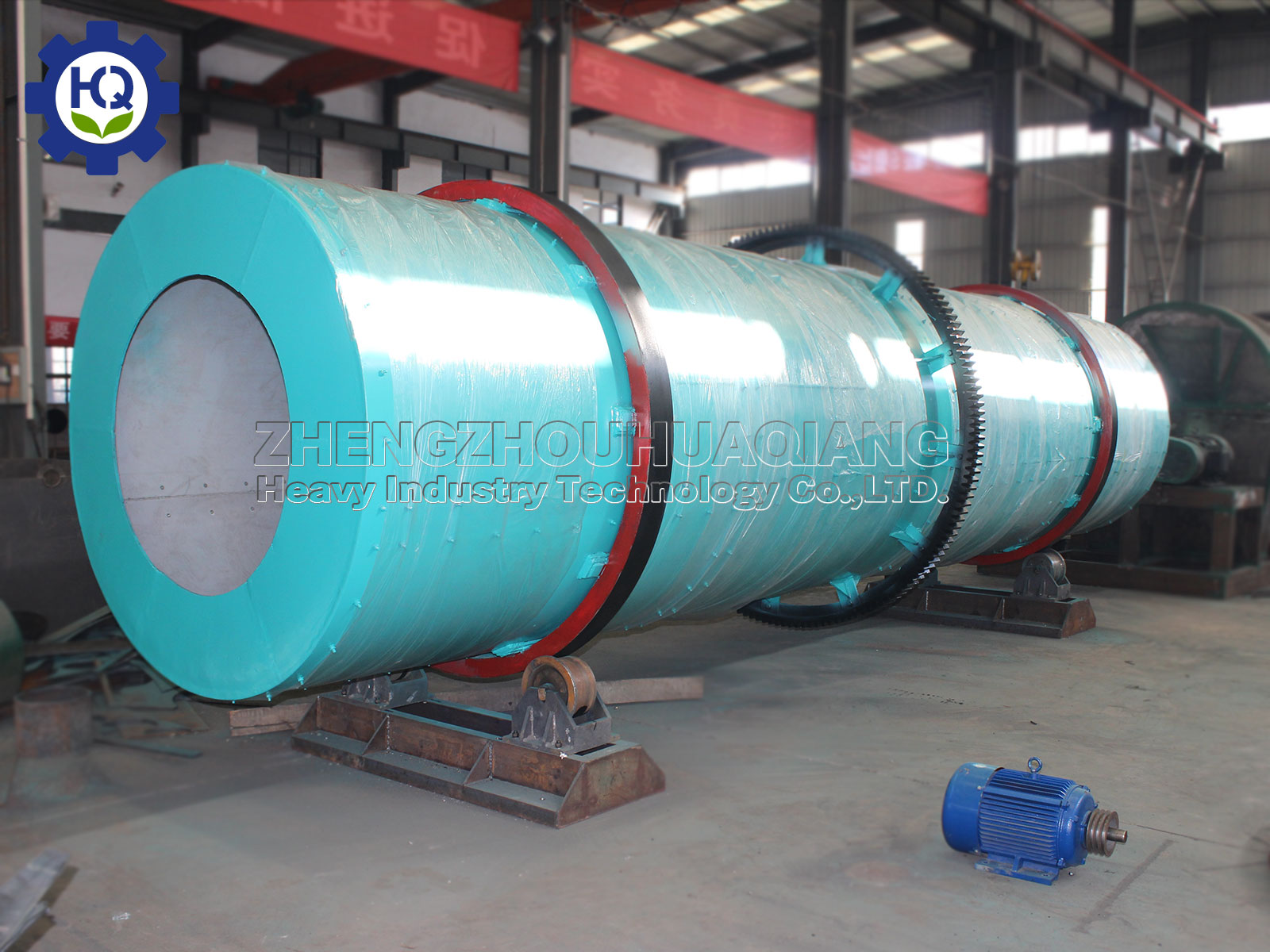
Rotary drum granulators: A Trade-off Between Shape and Temperature. Rotary drum granulation yields smooth, spherical granules with high market appeal, whereas ring-die units produce cylindrical granules that require a separate spheronizer to achieve a round shape. More critically, the high-speed operation of ring die pelleting machines generates high temperatures; this poses a major drawback when producing bio-organic fertilizers, as the heat can destroy beneficial microorganisms.
Significant Drawbacks: These machines come with a higher price tag and are extremely sensitive to impurities such as stones and metal, necessitating robust pre-processing for impurity removal.
Ultimately, selection depends on matching equipment to specific needs: ring die pelleting machines are the preferred choice for large-scale facilities prioritizing granule strength, whereas other models are often more suitable for small-to-medium-scale operations, scenarios involving complex raw materials, or the production of bio-organic fertilizers.