
In the fertilizer industry, BB fertilizer (bulk blend fertilizer) and NPK compound fertilizer are often conflated; however, their production processes differ significantly, and the logic for selecting the appropriate mixer varies drastically.
The BB fertilizer production process is the most straightforward. It simply involves weighing pre-granulated nitrogen, phosphorus, and potassium base fertilizers according to a specific ratio, physically blending them in a mixer, and then packaging the finished product. The entire process requires no water, steam, or drying. The core requirement is to achieve uniform mixing while preserving granule integrity and minimizing the generation of fine dust. This dictates the characteristics of BB fertilizer mixers: gentle action and short mixing times—typically completing a batch in just 1–2 minutes.
In contrast, the NPK fertilizer manufacturing process is far more complex. Whether using drum granulation, tower melt granulation, or extrusion granulation, the process involves multiple stages—such as batching, mixing, granulating, drying, cooling, and screening—using powdered raw materials. The mixer operates prior to granulation, thoroughly blending various powders and recycled materials to ensure a homogeneous feed. Due to strict formulation ratios, NPK production demands higher mixing uniformity, with the coefficient of variation required to be kept below 7%.
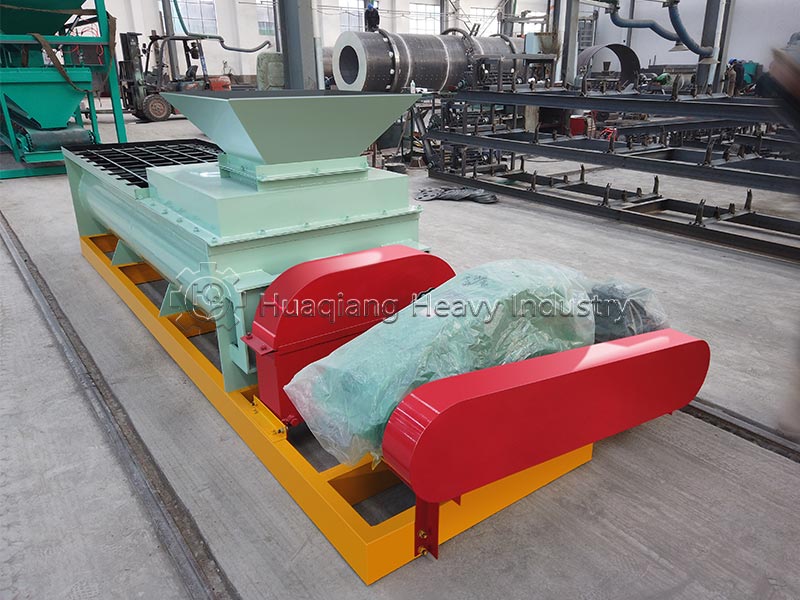
Although both utilize fertilizer mixer machines, the specific machine types differ. BB fertilizer production employs a dedicated BB fertilizer mixer characterized by low rotational speeds and low shear forces; this protects the base fertilizer granules, allowing the product to be packaged immediately after discharge. NPK production, however, utilizes a double axis paddle mixer; its higher rotational speed rapidly disperses and blends powders, creating material with the ideal physical properties for subsequent granulation. There are also differences regarding batch processing capacity and overall production throughput.
When selecting equipment, one should not attempt to use a single mixer for both processes: excessive rotational speed would crush BB fertilizer granules, while insufficient speed would fail to meet the precision mixing requirements for NPK. Only by matching the equipment correctly can stable and efficient production be achieved.