
The primary function of a fertilizer coating machine is to form a protective film on the surface of fertilizer granules, thereby preserving nutrients, preventing caking, and regulating nutrient release. However, not all fertilizers require coating; this process is specifically tailored to fertilizers with unique characteristics or particular requirements, which can be broadly categorized as follows:
Slow-release and controlled-release fertilizers constitute the primary candidates for coating. These fertilizers require a protective coating to regulate the rate of nutrient release, thereby preventing rapid nutrient loss and extending the duration of fertilizer efficacy. This makes them suitable for a wide range of cultivation settings—including large-scale field crops, fruits, and vegetables—while simultaneously reducing the frequency of fertilizer application.
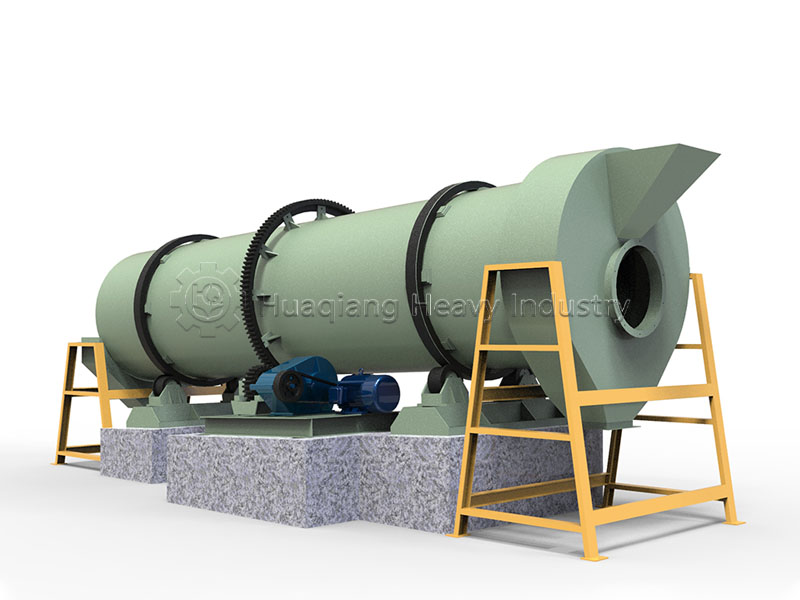
Highly hygroscopic and prone-to-caking fertilizers—such as single-nutrient fertilizers like urea and ammonium nitrate, as well as certain high-potassium compound fertilizers—require processing by a fertilizer coating machine to create a moisture barrier. This prevents caking during storage and transport, ensures the granules remain uniform in shape, and facilitates mechanized application.
Organic-inorganic compound fertilizers and bio-organic fertilizers also benefit from coating. For the former, coating helps minimize the volatilization of organic matter and effectively locks in nutrients; for the latter, it safeguards the viability of beneficial microorganisms, prevents moisture absorption and subsequent spoilage, and enhances the overall stability of the finished product.
In summary, fertilizers requiring a protective coating typically face issues such as rapid nutrient loss or a propensity for caking. Fertilizer coating machines offer a targeted solution to these specific pain points, thereby effectively enhancing both the quality and practical utility of the fertilizer.