
The NPK blending machine serves as the core equipment within an NPK blending fertilizer production line. Its functionality directly determines the nutrient uniformity of the blended fertilizer and the overall quality of the finished product. Far from merely performing a simple mixing task, the machine integrates multiple functions—including precise blending, flexible formula adjustment, and process integration—to ensure the smooth and efficient operation of the entire production line.
Its primary function is precise blending. Utilizing a specialized mixing mechanism, it thoroughly blends nitrogen, phosphorus, and potassium (NPK) single fertilizers—along with various auxiliary materials—that may differ in density and particle size. This process prevents segregation and agglomeration, ensuring that every single granule of the finished product possesses a consistent nutrient profile, thereby meeting the requirements for precision fertilization.
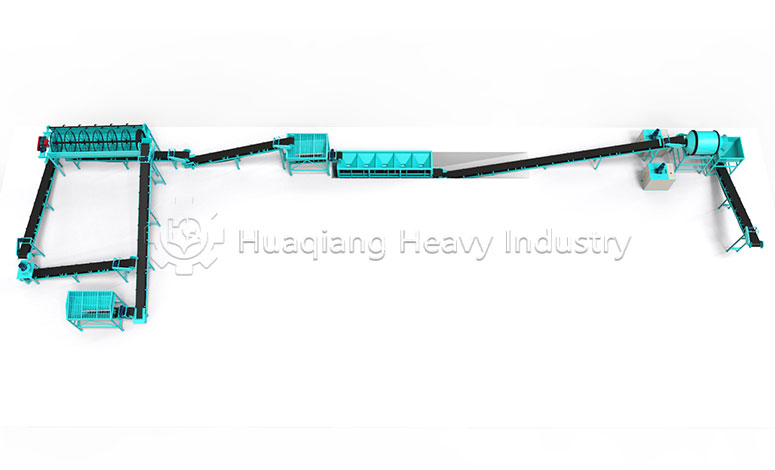
Secondly, the machine offers flexible multi-formula adjustment capabilities. Without the need to replace core components, operators can simply adjust feed ratios and mixing parameters to accommodate the specific nutrient requirements of different crops and soil types. This enables the processing of a wide variety of blended fertilizers, significantly enhancing the operational flexibility of the production line.
Furthermore, the machine acts as a critical link between upstream and downstream production stages, integrating seamlessly with screening, conveying, and packaging equipment to facilitate automated material flow and minimize manual handling. Additionally, its smooth interior walls and efficient discharge mechanism reduce material residue and waste, thereby optimizing both operational efficiency and economic viability.
In summary, the NPK blending machine operates around the core principles of "precision, efficiency, and flexibility." It serves not only as the central hub for material mixing but also as a pivotal link connecting the various stages of the production line, directly influencing the overall production performance and the quality of the finished products.