
In fertilizer processing, drying serves as the critical final stage. Damp fertilizer is prone to caking, mold growth, and nutrient loss—issues that hinder both storage and transportation. The application of a drum fertilizer dryer effectively resolves these pain points; its core advantages are concentrated in four key areas: practicality, efficiency, versatility, and environmental friendliness.
High-efficiency drying stands as the primary advantage, allowing for precise control over temperature and duration. This enables the rapid removal of excess moisture from the fertilizer, maintaining moisture levels within an optimal range to prevent caking and mold. Furthermore, it maximizes nutrient retention while ensuring the fertilizer granules are uniform in shape, thereby enhancing the ease of application.
The benefits regarding energy conservation and cost reduction are significant. Utilizing a scientifically engineered heat dissipation design, the dryer boasts high thermal energy utilization efficiency, thereby reducing electricity and water consumption. Its automated operation minimizes the need for manual intervention, leading to lower labor costs. When integrated with fertilizer granulators and mixers, the system can further boost overall production efficiency.
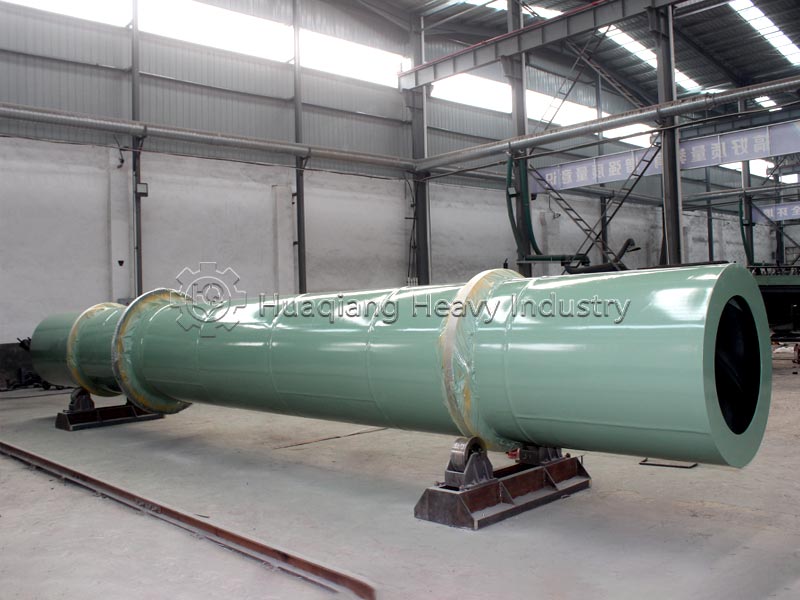
Its versatility is extensive, capable of processing a wide variety of fertilizers—including organic fertilizers and NPK compound fertilizers. Whether the material is in granular or powdered form, the dryer's parameters can be precisely adjusted to suit the specific characteristics of the fertilizer, thereby meeting the diverse requirements of various fertilizer production lines.
Committed to green environmental protection, the drum fertilizer dryer's operation generates no excess pollutant emissions. It eliminates the odors and environmental contamination typically associated with the stockpiling of damp fertilizers, reduces fertilizer waste, and actively contributes to the green and sustainable development of the agricultural sector.