
The core of the NPK blending fertilizer production line lies in processing raw materials—specifically nitrogen, phosphorus, potassium, along with secondary and trace elements—through a standardized workflow to produce blended fertilizers characterized by uniform nutrient distribution and regular granule shape. The entire process revolves around three key principles: "precise formulation, uniform mixing, and standardized granulation," featuring distinct steps that are seamlessly interconnected.
The first step is raw material pretreatment, which lays the foundation for subsequent processing. Individual fertilizers containing nitrogen, phosphorus, and potassium—as well as secondary and trace elements—are fed into crushing equipment and ground to an appropriate fineness. Subsequently, they undergo screening to remove impurities and oversized particles, ensuring uniform particle size among the raw materials and preventing any negative impact on the subsequent mixing and granulation stages.
The second step is precise batching—the pivotal stage in blended fertilizer production. Based on pre-established formulas tailored to specific crops and soil conditions, automated metering equipment is utilized to precisely weigh the required quantities of each raw material. This rigorous control over the nitrogen, phosphorus, and potassium ratios ensures that the nutrient content of every fertilizer batch meets the required standards, thereby realizing the goal of "targeted fertilization"—supplying exactly what the soil and crops lack.
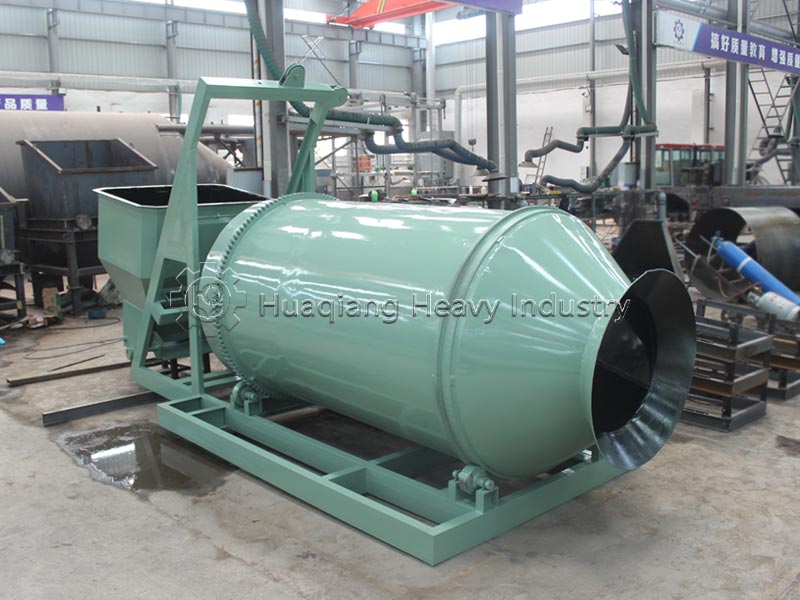
The third step involves mixing, agitation, and granulation. The precisely batched raw materials are fed into a BB fertilizer mixer and thoroughly blended until the nutrients are uniformly distributed. The mixture is then transferred to an NPK fertilizer granulator machine, where it undergoes extrusion or rolling granulation to form granules of uniform size, thereby enhancing the convenience of fertilizer application and improving nutrient utilization efficiency.
The final stage consists of screening and packaging. The newly formed granules are screened to remove any substandard fragments or oversized particles. Finally, they are sealed and packaged using automated packaging equipment, labeled with the specific formula information, and—upon completion of this entire processing workflow—are ready to be deployed for use in agricultural production.