
BB fertilizer production lines typically consist of three main sections: automatic batching, mixing, and packaging. The mixer is the core piece of equipment, responsible for uniformly blending pre-granulated nitrogen, phosphorus, and potassium (NPK) base fertilizers. Unlike compound fertilizers, BB fertilizers require only physical mixing—without granulation or drying processes—making quality control during the mixing stage particularly critical.
Base fertilizer granules often differ significantly in size and specific gravity; if the mixer fails to achieve uniform distribution quickly, nutrient deviation at the discharge point can exceed 5%. Therefore, BB fertilizer mixers must balance thorough mixing with granule integrity. Two common types are used: the horizontal ribbon mixer, which uses inner and outer ribbons to turn the material and leaves minimal residue, and the twin-shaft zero-gravity mixer, which employs an interlaced paddle structure for rapid mixing. Both operate at low speeds (20–40 rpm) to prevent granule breakage. Compared to other fertilizer mixers, BB fertilizer mixers prioritize a design logic of low speed, low shear, and rapid discharge.
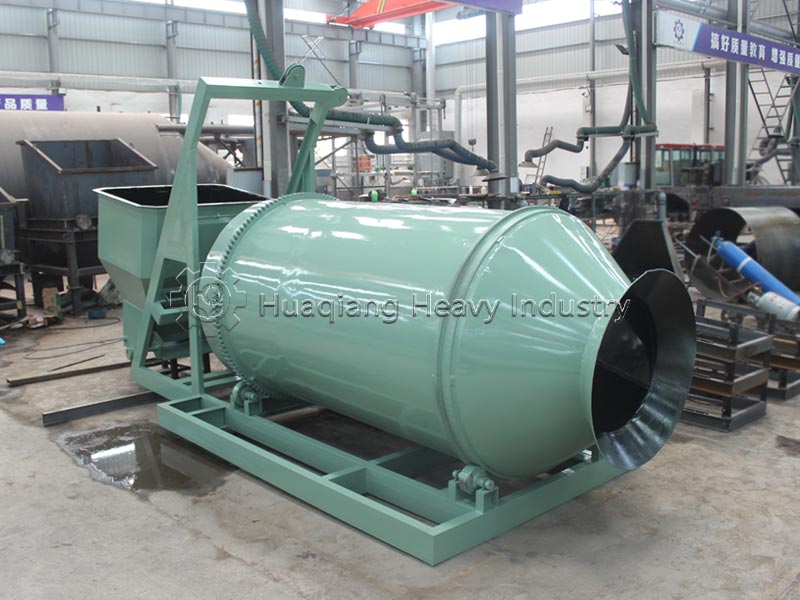
Production capacity matching is another key factor in selection. The mixer's batch capacity must align with the batching and packaging rates; if mixing is too slow, it limits overall output, whereas excessive capacity causes material to dwell too long in buffer bins, leading to re-segregation. An optimal setup ensures a "mix-and-package" workflow.
From an investment perspective, the equipment cost for a BB fertilizer line is relatively low. A basic fully automated line requires only 100–200 square meters of floor space and entails low operating costs—distinct advantages over compound fertilizer production lines. Selecting the right fertilizer mixer machine ensures the entire line operates continuously with minimal loss and maximum efficiency.