
In NPK fertilizer production lines, material conveying is crucial for connecting various processes. Traditional conveying methods suffer from low efficiency, high losses, and large space requirements, severely impacting production smoothness. Integrating bucket elevators into the production line can specifically address these problems.
First, it solves the problems of low conveying efficiency and high labor costs. Traditional conveying relies on manual labor or simple equipment, resulting in cumbersome and slow transfers, requiring significant manpower and easily interrupting processes. Bucket elevators enable automated continuous conveying, quickly delivering raw materials and semi-finished products to designated processes, significantly improving efficiency and reducing labor input.
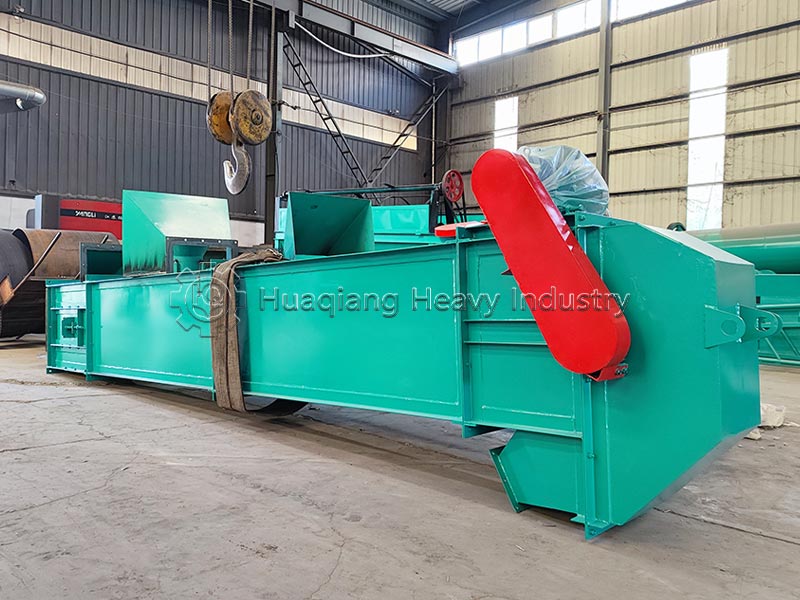
Second, it solves the problems of material loss and environmental pollution. NPK fertilizers are mostly granular or powdery, and traditional conveying easily leads to scattering and dust generation, wasting raw materials and polluting the environment. Bucket elevators use a closed structure, preventing material scattering and dust generation, reducing losses, and maintaining a clean production environment.
Third, it solves the problems of large space requirements and poor process coordination. Traditional horizontal conveying equipment occupies a large area and is difficult to connect processes with varying elevations. Bucket elevators utilize vertical conveying, occupy a small area, and can flexibly connect to processes such as screening, mixing, and granulation, optimizing production line layout and ensuring smooth workflow.
In summary, bucket elevators can precisely address the core pain points in the conveying process of NPK fertilizer production lines, helping the production lines achieve automated and efficient operation.