
When processing composted chicken manure through a pellet mill, three common issues arise: die clogging, loose or crumbly pellets, and excessive temperature spikes. The root causes lie in the material’s characteristics—low fiber content, high stickiness, and high nitrogen levels—which result in poor flow through the die holes and concentrated heat generation from friction during extrusion.
Before Feeding: Prepare the material properly. Maintain a moisture content of 25%–30%; the material should hold its shape when squeezed by hand, without water seeping out between your fingers. If the material is too sticky, blend in 10%–15% straw powder or humic acid powder. This provides a structural framework, improves flow through the die holes, and helps balance the carbon-to-nitrogen (C:N) ratio. Avoid grinding the material too finely, as this can cause the die to become "pasty" or clogged; a particle size of around 20 mesh is ideal.
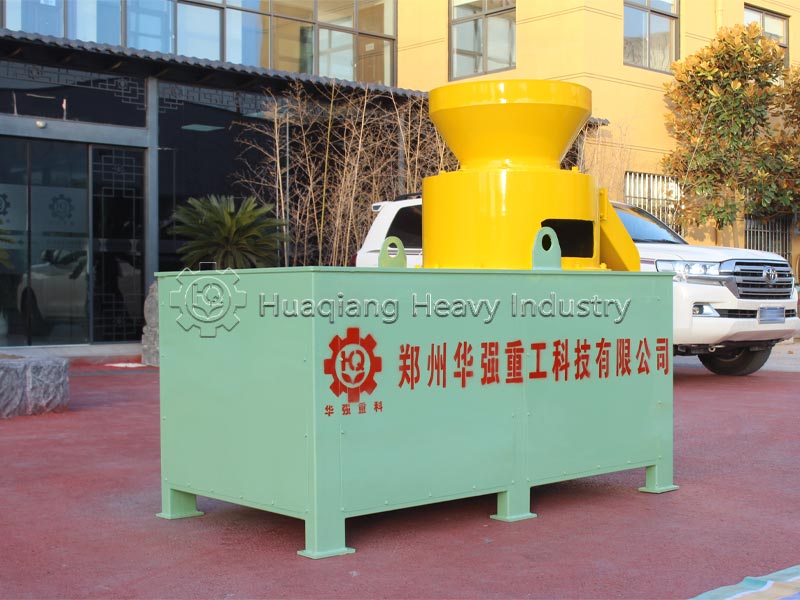
During Granulation: Opt for lower compression ratios and slower speeds. Given the high nitrogen and stickiness of chicken manure, a high compression ratio will increase resistance within the die holes, leading to rapid temperature rises and frequent clogging. Use slightly larger die-hole diameters, prioritizing smooth output over high density. Increase the gap between the rollers and the die to reduce unnecessary friction. Lower the main unit's rotational speed; while this may slightly reduce production capacity, it keeps the temperature under control. When producing bio-organic fertilizer, the temperature at the die outlet should ideally be kept below 60°C—install air-cooling systems if necessary.
Post-Granulation: Ensure proper cooling and material recycling. Freshly extruded pellets are hot and lack structural integrity; they must be moved promptly to an organic fertilizer cooler machine to cool down gradually, preventing them from clumping together. When recycling "fines" (fine powder) back into the process, keep the proportion moderate—ideally no more than 30%. Otherwise, the material will be subjected to repeated heating, increasing the risk of it sticking to the die.
Chicken manure is not inherently difficult to granulate; it simply requires a process characterized by "gentle extrusion, controlled temperature rise, and rapid cooling." With the right parameters, an organic fertilizer granules machine can operate consistently, ensuring that the high-nitrogen content of the chicken manure is effectively captured in the final product.