
Large-scale composting on dairy farms is a key path to the resource utilization of manure and alleviating environmental pressures. The core is the transformation of dairy cow manure into high-quality organic fertilizer through microbial fermentation.
Raw material ratio is a prerequisite for successful composting. The core raw material is fresh dairy cow manure with a moisture content of 70%-80%. It needs to be mixed with auxiliary materials such as straw and sawdust to adjust the carbon-to-nitrogen ratio and moisture content. The ideal carbon-to-nitrogen ratio is controlled at 25-35:1, and the moisture content is adjusted to 60%-65% (it should clump together when squeezed in the hand, with water seeping between the fingers without dripping). The auxiliary materials account for 30%-40%, which prevents the compost from smelling bad and provides sufficient energy for microbial activity.
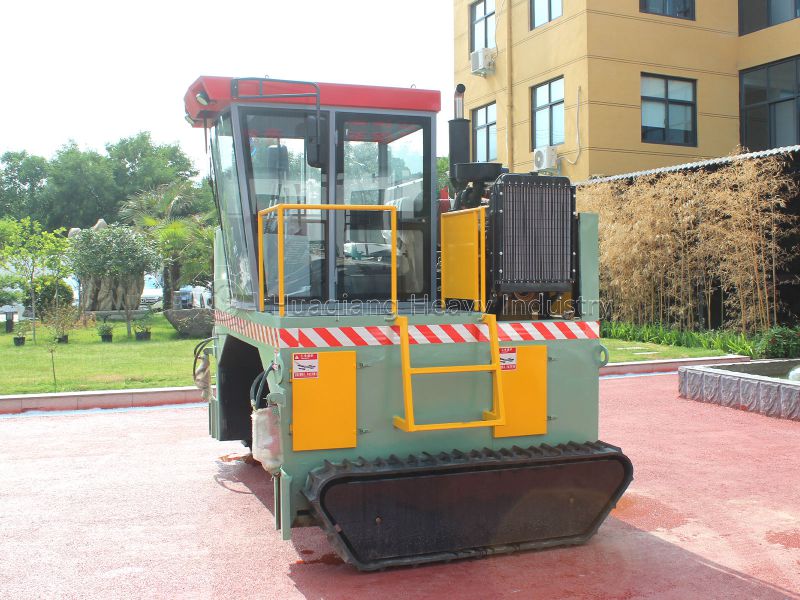
The fermentation process focuses on large-scale, efficient maturation, often using windrow compost turners or trough-type compost turners. The compost pile height is 1.5-2.0 meters and the width is 3-5 meters to ensure air permeability and heat retention. Fermentation is divided into three stages: First, the temperature is raised to 55℃ for 1-3 days, then maintained at 55-65℃ for at least 3 days to kill pathogens and insect eggs. Finally, the temperature is lowered to below 40℃, allowing microorganisms to continue decomposing organic matter. Regular turning and aeration throughout the process promotes uniform composting.
Quality control and final stages determine compost quality. The maturity standard is: temperature reduced to room temperature, dark brown color, no fecal odor, and organic matter content ≥30%. After screening and impurity removal, qualified material can be directly used as core raw material in organic fertilizer production lines to process into commercial fertilizer. Material not connected to the production line must be stored in a well-ventilated and dry place to prevent moisture absorption.