
The core value of NPK fertilizers lies in the balanced ratio of the three major nutrients: nitrogen, phosphorus, and potassium. This depends on the precise control of the NPK fertilizer production line, ensuring that the nutrient ratio meets the standards throughout the entire process.
Balanced nutrients can match the growth needs of crops throughout their entire life cycle: nitrogen promotes lush foliage, phosphorus aids root and flower bud development, and potassium enhances stress resistance and improves fruit quality. An imbalanced ratio can lead to abnormal crop growth, such as excessive nitrogen causing lodging, and excessive phosphorus and potassium leading to premature plant aging, ultimately affecting yield and quality.
Balanced nutrients also protect soil fertility. Excessive application of a single nutrient can damage soil structure, leading to compaction, acidification, or nutrient antagonism. A balanced ratio reduces nutrient residue, prevents soil degradation, maintains soil nutrient balance, and extends the lifespan of arable land.
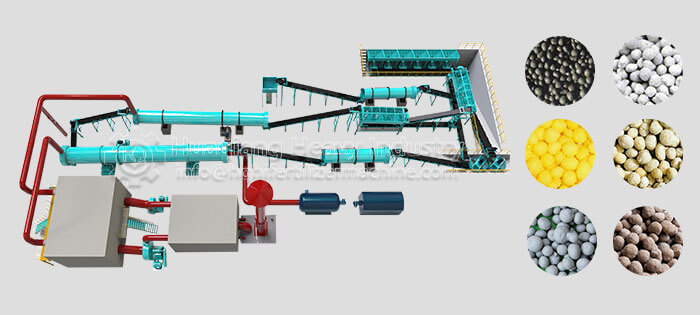
Balanced nutrients also improve fertilizer utilization efficiency. When nutrients are imbalanced, excess nutrients can easily cause water and soil pollution. However, fertilizer mixers ensure thorough mixing of raw materials, and coupled with the precise control of the NPK fertilizer production line, this avoids waste, saves costs, and aligns with the concept of green farming.
In summary, the balanced nutrient ratio of NPK fertilizers is the link connecting crops, soil, and resource utilization, and the NPK fertilizer production line is the crucial support for achieving this goal and maximizing the value of the fertilizer.