
Integrating bucket elevators into an organic fertilizer production line brings about multifaceted changes. It not only resolves the pain points associated with traditional conveying methods but also addresses the specific adaptation challenges posed by the unique characteristics of organic fertilizers, thereby driving the overall upgrade of the production line toward greater efficiency and automation.
The most evident change is a substantial improvement in conveying efficiency. Traditional production lines, which rely on manual labor or horizontal conveying equipment, often suffer from slow transport speeds and significant material loss when handling loose, clump-prone organic fertilizer raw materials. In contrast, bucket elevators enable vertical transport, facilitating rapid and seamless connections between equipment such as storage bins, fermentation units, and granulators. This minimizes material accumulation and is ideally suited for large-scale production operations.
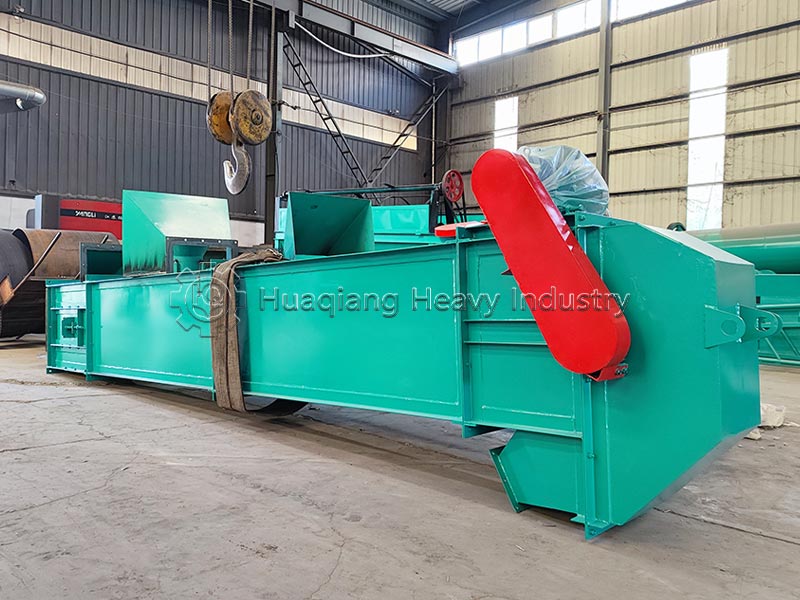
Secondly, the production workflow becomes smoother, and labor costs are reduced. Bucket elevators enable fully automated material transport—spanning the entire process from raw material intake and processing to finished product warehousing. This reduces the need for manual handling steps, eliminates the inconveniences associated with direct human contact with organic fertilizers, lowers labor inputs, and enhances the overall continuity of the production process.
However, it is important to note that organic fertilizers typically possess high moisture content and a tendency to clump. If the bucket elevator's bucket type and conveying speed are not appropriately adjusted, issues such as equipment clogging and material residue can easily arise. In summary, while bucket elevators can significantly optimize the efficiency of organic fertilizer production lines and reduce costs, their successful implementation requires careful calibration and adjustment to properly accommodate the specific characteristics of the organic fertilizer being processed.