
Granular organic fertilizer is favored for its stable fertilizer effect and convenient application, but raw material costs, energy consumption, and equipment wear and tear can easily drive up costs. To reduce costs without compromising quality, the key lies in precise optimization of three aspects: raw materials, processes, and operation and maintenance, achieving a win-win situation of cost reduction and quality improvement.
Raw materials are the source of cost reduction. Prioritize the use of low-cost raw materials such as local agricultural waste, livestock and poultry manure, and sugarcane by-products to reduce transportation costs; rationally balance the carbon-nitrogen ratio to reduce the amount of expensive microbial agents and binders, and leverage the inherent characteristics of the raw materials to achieve efficient decomposition, improving utilization and reducing procurement costs from the source.
Process optimization reduces ineffective losses. Use fertilizer crushers and fertilizer mixers rationally, controlling the fineness of raw material crushing and the uniformity of mixing to lay the foundation for granulation and reduce rework due to substandard raw materials; adjust granulation equipment parameters to improve the first-pass molding rate, reduce the energy and time costs of reworking residual granules, and simplify redundant processes.
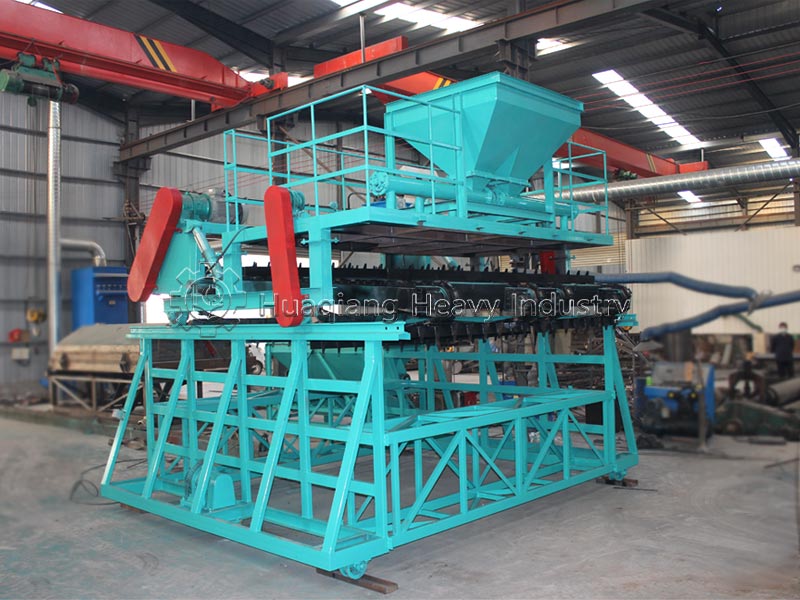
Operational maintenance and cost reduction are key in the long term. Standardize the use of organic fertilizer compost turning machines, controlling the turning frequency and composting temperature to shorten composting time and reduce energy consumption; perform routine equipment maintenance to reduce downtime and parts replacement costs; control the drying process as needed to avoid water and electricity waste, optimize scheduling to improve equipment operating efficiency, and eliminate idle operation.
In summary, reducing the cost of granular organic fertilizer can be achieved without sacrificing quality. Through localized raw materials, refined processes, and standardized operation and maintenance, costs can be efficiently reduced while ensuring fertilizer quality, thereby improving production efficiency.