
Sugarcane industry waste by-products such as bagasse, leaves, and pith, which easily cause pollution when discarded haphazardly, can be transformed into high-quality organic fertilizer through scientific composting. This achieves resource utilization of waste, reducing environmental pressure and providing natural nutrients for agriculture. The process is simple and inexpensive.
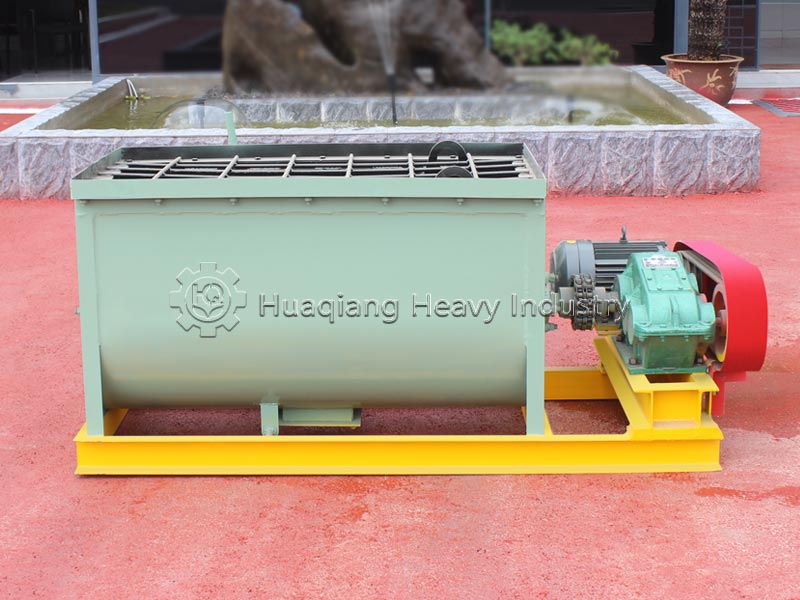
Before composting, raw materials and proportions need to be treated: Use a fertilizer crusher to crush the bagasse and leaves to increase the contact area; mix sugarcane by-products with livestock manure at a ratio of 10:3, stir evenly with a fertilizer mixer, adjust the carbon-to-nitrogen ratio to 25-30:1, and spray with water to control the humidity at 60%-65% to avoid affecting decomposition.
The key is composting and maturation: Pile the mixed raw materials into a 1.5-2 meter high heap, cover with straw to retain moisture and warmth, and initially sterilize when the temperature reaches 55-65℃. Use an organic fertilizer compost turning machine to turn the heap every 7-10 days to replenish oxygen, continuing for 40-60 days until the heap is loose, odorless, and dark brown.
Precautions: Control temperature and humidity to avoid high temperatures burning microorganisms and insufficient humidity affecting maturation; prevent the introduction of impurities such as plastics and stones to ensure the purity of the organic fertilizer.
In summary, composting sugarcane waste byproducts is an effective way to balance environmental protection and resource utilization, solving pollution while producing high-quality organic fertilizer, thus contributing to green agricultural development.