
The raw materials for organic fertilizer production are mostly damp manure, straw, and mushroom residue, which are highly corrosive, easily adhere to the equipment walls, and contain a high amount of impurities. Long-term continuous operation can easily cause equipment wear, jamming, corrosion, and other malfunctions. Regular equipment maintenance can effectively reduce downtime for repairs and extend the lifespan of organic fertilizer production equipment.
Daily cleaning and maintenance are fundamental. After each shift, it is necessary to promptly clean the residual materials inside the organic fertilizer production equipment to prevent damp materials from accumulating and corroding the equipment body, affecting the accuracy of the next production run. At the same time, check the tightness of screws and belt tension, and clean surface debris.
Regular deep maintenance is essential. Depending on the production frequency, lubricate bearings, chains, gears, and other transmission components weekly to reduce operational wear. Monthly, conduct a comprehensive inspection of vulnerable parts such as screens, pressure rollers, and lifting plates, and replace aged or damaged parts promptly. Also, check the condition of the motor and electrical circuits, and strictly prohibit overloading the equipment.
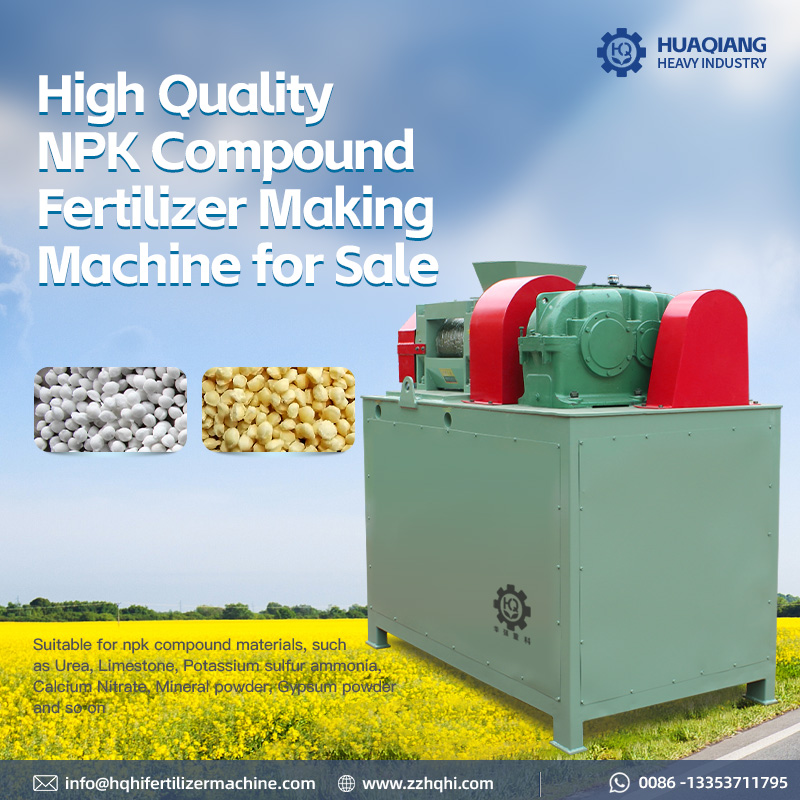
Seasonal maintenance and maintenance during long-term downtime are also crucial. During humid seasons, it is essential to protect equipment from moisture and rust, and to run it regularly under no-load to prevent component corrosion. Before long-term shutdown, the internal materials must be thoroughly emptied, and exposed metal parts should be coated with protective oil and covered for protection.
In general, the maintenance of organic fertilizer production equipment only requires adhering to the core principles of frequent cleaning, regular lubrication, checking for wear and tear, and preventing moisture. Standardized daily maintenance and regular inspections can effectively reduce operating costs.