
Granular potassium fertilizer is a type of fertilizer made from potassium-containing raw materials that are processed and shaped. Production involves mixing raw materials using a fertilizer mixer, shaping them through an NPK fertilizer production line, and then screening the finished product with a fertilizer screener machine to ensure uniform particle size. Compared to powdered potassium fertilizer, it is easier to apply, has uniform nutrient distribution, and minimizes losses. It is suitable for mechanized fertilization and is a commonly used raw material for NPK fertilizers, widely applied in the cultivation of various crops.
Common granular potassium fertilizers are divided into four main categories, all requiring fertilizer production equipment for manufacturing. Some can be mass-produced through NPK fertilizer production lines, suitable for different soils and crops.
Potassium chloride is cost-effective and has a high potassium content. Its granules are firm and less prone to caking, suitable for grains, cotton, etc., but should not be used on chlorine-sensitive crops. Long-term use requires precautions against soil acidification.
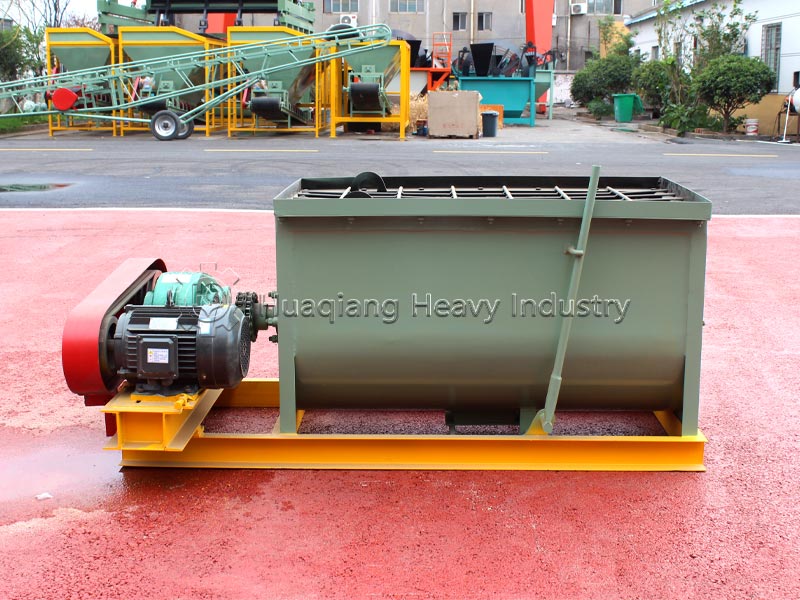
Potassium sulfate is a chlorine-free potassium fertilizer, suitable for chlorine-sensitive crops and saline-alkali soils. It provides both potassium supplementation and soil improvement. The granules have good fluidity and can be mixed with other fertilizers. However, it has high production costs, and long-term use can lead to the accumulation of sulfates.
Potassium nitrate contains both potassium and nitrogen nutrients. The granules are uniform and easily absorbed, suitable for top dressing of economic crops such as fruits and vegetables. It can improve crop resistance to stress. It needs to be stored away from light and high temperatures to prevent nutrient loss.
Granular monopotassium phosphate has high purity and contains both phosphorus and potassium. The granules are dense and have high utilization efficiency, suitable for top dressing during the flowering and fruit development stages of crops, promoting flower bud differentiation and fruit enlargement. It is relatively expensive and mainly used for high-value crops.