
An NPK blending fertilizer production line operates by physically mixing pre-granulated nitrogen, phosphorus, and potassium base fertilizers according to a specific formula. The entire line comprises automatic batching, blending, and packaging systems. Within this setup, the NPK blending machine ensures thorough mixing, while the fertilizer screener machine enforces strict quality control. Working in tandem, these two units constitute the most critical quality control stages of the BB fertilizer production line.
The NPK blending machine is the core of the BB fertilizer production line. Base fertilizers—such as urea, monoammonium phosphate (MAP), and potassium chloride—differ significantly in particle size and specific gravity. If the mixture is uneven, lighter particles tend to rise and heavier ones sink during discharge, potentially causing nutrient content deviations exceeding 5%. Therefore, the blending machine must strike a balance between achieving uniform mixing and avoiding damage to the granules.
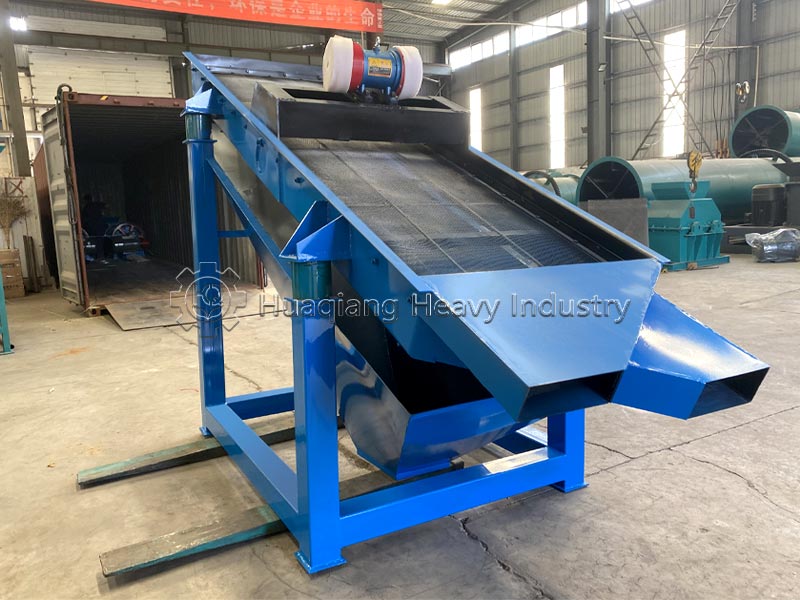
Once blended, the material undergoes rigorous quality control via the fertilizer screener machine. This machine removes lumps, impurities, and granules that do not meet size specifications. BB fertilizer demands high granule uniformity; if the finished product contains oversized or undersized granules, it can impede smooth mechanical application and lead to asynchronous nutrient release.
Viewed as a whole, the NPK blending machine determines nutrient uniformity, while the screening machine ensures consistent granule specifications. The blender ensures the product is "made correctly" (according to formula), and the screener ensures it is "made well" (meeting quality standards)—only through their effective coordination can every bag of BB fertilizer withstand the test of the market.