
In BB fertilizer production, cost pressures often stem not from raw material procurement, but from losses and control precision during the manufacturing process. A precise NPK blender, a rational plant layout, and consistent cost management collectively determine the enterprise's profit margins.
BB fertilizer production appears simple—merely mixing base fertilizer granules according to a formula—yet cost leakage often occurs in unexpected places. Base fertilizers vary significantly in granule size and specific gravity; if the blender fails to achieve uniform distribution quickly, nutrient deviation at discharge can exceed 5%, leading to rework and wasting precisely measured raw materials. A well-designed NPK blending machine should feature low-speed, low-shear operation to preserve granule integrity while utilizing optimized internal mixing blade structures to ensure rapid, uniform blending.
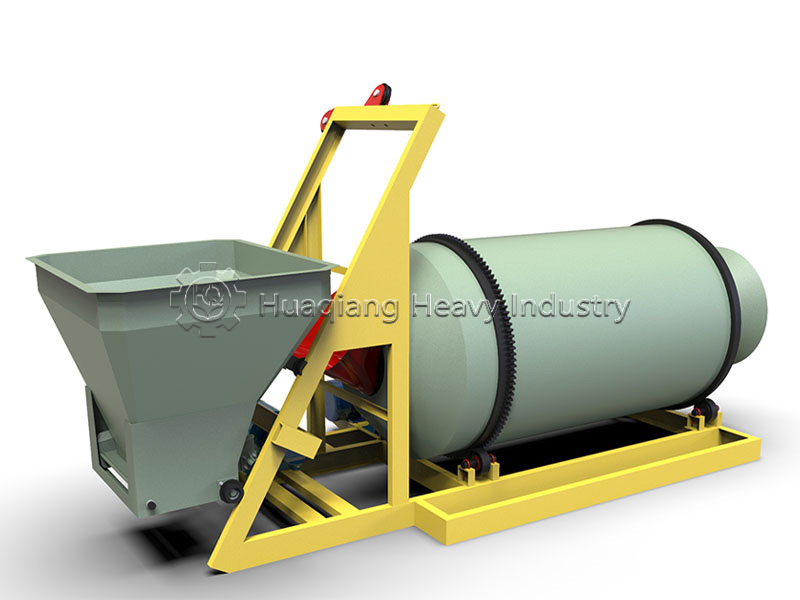
Regarding the layout of the NPK fertilizer plant, material flow paths directly impact costs. Arranging the raw material warehouse, blending zone, and packaging line in a short, linear sequence minimizes transport distances for forklifts and conveyors, thereby reducing granule breakage rates and lowering labor costs associated with loading and unloading.
The impact of production pacing on costs is equally significant. If the blender's batch capacity is mismatched with the packaging speed, mixed material sitting too long in buffer silos may undergo re-segregation, or frequent start-stop cycles on the packaging line can drive up electricity consumption. Proper blender selection ensures the mixing cycle aligns with the packaging pace, facilitating a "mix-and-pack" workflow.
In summary, controlling BB fertilizer production costs requires more than just driving down raw material purchase prices. A suitable blender, a compact plant layout, and synchronized production pacing are all interconnected; every detail influences the final cost per ton of the finished product.