
When discussing the quality of organic fertilizer granules, most people immediately think of strength—assuming that if a granule doesn't shatter when dropped or crushed, it must be high-quality. However, field experience tells a different story: granules with excessive strength often fail to break down after being applied to the soil, delaying the release of nutrients. Conversely, granules with "just the right" amount of strength disintegrate upon contact with moisture, allowing nutrients to be released in a timely manner.
Strength versus disintegration: Granules that are too hard are easier to transport, but once in the soil, they resist moisture penetration and microbial colonization. Granules that are too soft, however, tend to crumble during transport or mechanical application, leading to uneven distribution in the field. The ideal balance depends on the intended use: for commercial fertilizers destined for long-distance transport, strength is the priority; for fertilizers used in nearby orchards, disintegration is more critical. This balance is determined by factors such as the compression ratio of the die, the amount of binder used, and the drying temperature.
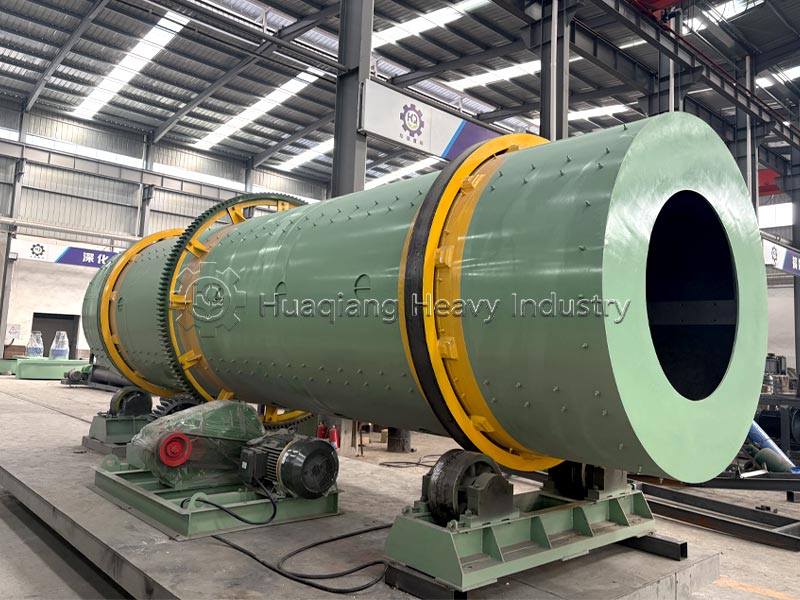
Moisture content: Granules fresh out of the die often have high moisture levels. If they are packaged without sufficient cooling, residual heat can cause condensation inside the bags, leading to dampness, clumping, or even mold growth. Keeping moisture content below 12% ensures the product remains free-flowing during storage. The cooling process—specifically the duration and airflow—has a greater impact on final quality than the settings of the granulator itself.
Granule uniformity: Inconsistent particle sizes not only affect the product's appearance but also lead to uneven flow rates during mechanical application. The precision of the screening and recycling system determines the size distribution of the final, acceptable granules.
Nutrient retention: The heat generated during granulation can cause the loss of nitrogen, which is particularly significant for high-nitrogen materials like chicken or pig manure. Proper control of the outlet temperature can result in significantly higher nitrogen retention compared to high-temperature granulation. Ultimately, the true measure of quality is how many nutrients remain within the granules, not how polished or attractive they look on the outside.
In short, the quality of organic fertilizer granules is a matter of balancing various indicators, rather than pushing any single parameter to an extreme. Before selecting a organic fertilizer granules machine or adjusting its settings, carefully consider the specific journey the granules will take—from transport to final application in the field.