
The market competitiveness of NPK granular fertilizers hinges on granule strength, particle size uniformity, and nutrient stability. The progressive synergy of the fertilizer compaction machine, fertilizer screener machine, and NPK fertilizer granulator, from molding and strengthening to screening, builds a robust quality defense line at every stage.
The NPK fertilizer granulator is the first line of quality control. After precisely proportioned nitrogen, phosphorus, and potassium raw materials are fed into the equipment, they are formed into preliminary granules through wet rolling or dry pre-molding. This ensures that the multiple nutrients are evenly distributed within the granules, preventing stratification, and also initially controls the particle size range, laying the foundation for subsequent quality improvement.
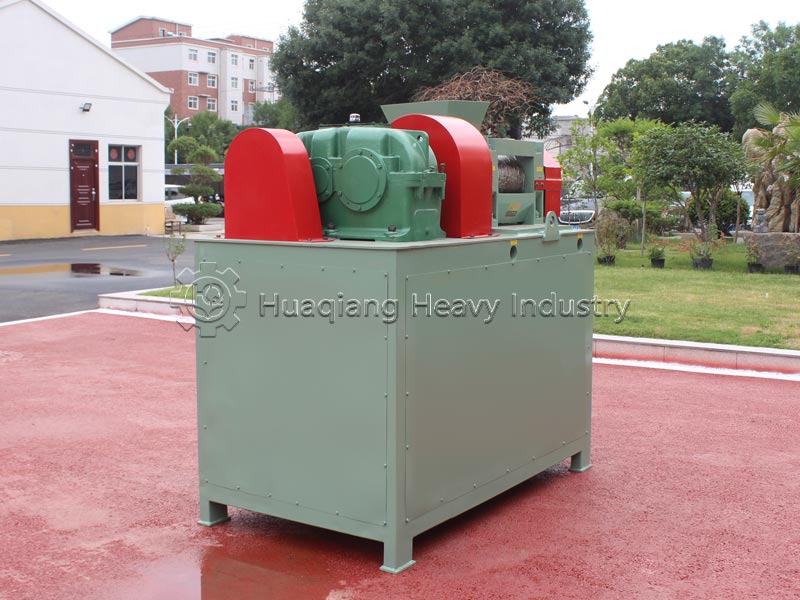
The fertilizer compaction machine undertakes the mission of strengthening the granules. The initially formed granules lack sufficient strength and are prone to pulverization in subsequent stages. After precise extrusion, the internal structure of the granules becomes denser, significantly increasing strength and resulting in a more regular shape. Especially in dry granulation scenarios, the combination of these two machines can increase the granule formation rate to over 95%, meeting the needs of storage and transportation.
The fertilizer screener machine is the final quality control officer. The granules, after molding and strengthening, are graded by the multi-layer screens of the screening machine, removing oversized, undersized, and damaged unqualified products. Qualified products enter the packaging stage, while unqualified products are returned to the granulator for reprocessing, forming a closed loop that ensures uniform particle size and reduces raw material waste.
The synergy of these three pieces of equipment achieves controllable quality throughout the entire cycle of NPK granular fertilizer production, from molding to factory delivery. This not only improves the finished product qualification rate but also ensures stable fertilizer efficacy, precisely meeting the core needs of large-scale agriculture for high-quality fertilizers.