
NPK blending machines are core equipment in NPK blending fertilizer production lines. Their quality and performance directly impact the uniformity of the finished product and production efficiency. Blindly purchasing can lead to equipment mismatch with production capacity, poor mixing effects, and high maintenance costs. Therefore, the following key points should be considered during procurement:
First, prioritize equipment compatibility. The choice should be based on the production line's capacity and raw material characteristics. Determine the model based on your production capacity to avoid wasted or insufficient capacity. Simultaneously, ensure the model is compatible with the particle size and moisture content of the raw materials to ensure uniform mixing and prevent clumping.
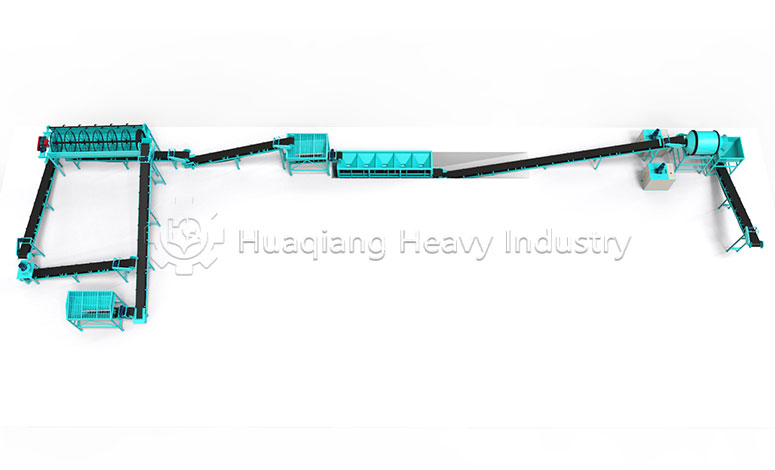
Second, emphasize core performance, focusing on mixing uniformity and operational stability. Confirm that the equipment's mixing structure is reasonable, enabling thorough mixing and preventing stratification. Choose a model with a mature structure and durable wear parts to minimize downtime and reduce maintenance costs.
Finally, consider practicality and cost-effectiveness. Prioritize models that are easy to operate, clean, and maintain. Compare prices and quality from various sources, avoiding blindly pursuing high or low prices; choose a model that best suits your production needs.
In summary, when purchasing an NPK blending machine, one should focus on the core principles of "suitability, practicality, and stability," and verify key points based on one's own needs in order to select suitable equipment and help the production line operate efficiently.