
Chicken manure serves as a high-quality raw material for organic fertilizer; however, it is characterized by high moisture content, high salinity, a tendency to cake, strong odors, and high corrosiveness. Consequently, chicken manure fertilizer production equipment requires a specialized design approach to ensure production efficiency and product quality while minimizing equipment wear and tear.
First and foremost, the equipment must possess corrosion-resistant and wear-resistant properties. The salts present in chicken manure—along with the acidic substances generated during fermentation—can easily corrode machinery. Therefore, all components that come into direct contact with the raw material must be constructed from corrosion-resistant materials; simultaneously, enhancing wear resistance is crucial for extending the operational lifespan of the chicken manure organic fertilizer machine.
Secondly, the equipment must be capable of handling high-moisture materials effectively, featuring anti-clogging mechanisms and ease of cleaning. Given that chicken manure retains a high moisture level both before and after fermentation, the equipment requires a robust anti-clogging design to ensure the smooth operation of crushing, granulation, and conveying processes. Furthermore, the interior surfaces of the equipment should be smooth to minimize material residue accumulation and prevent operational malfunctions.
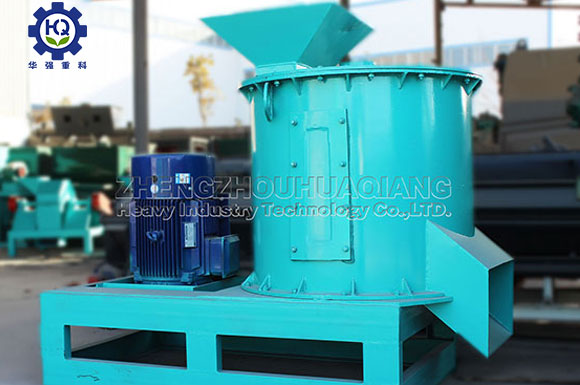
Additionally, the equipment must incorporate capabilities for temperature-controlled composting and environmental waste treatment. The fermentation of chicken manure requires precise temperature control to facilitate proper maturation (composting), and this process must be integrated with odor-control functions to prevent environmental pollution. Moreover, the equipment should offer flexible adaptability, allowing operational parameters to be adjusted dynamically based on the specific moisture content and particle size of the chicken manure being processed.
In summary, the core principle behind effective chicken manure fertilizer production equipment is its precise alignment with the unique characteristics of the raw material. By simultaneously addressing the critical factors of corrosion resistance, clog prevention, temperature control, and environmental protection, such equipment can efficiently transform chicken manure into high-quality organic fertilizer, thereby achieving an optimal balance between operational efficiency and equipment durability.