
As the green transformation of agriculture advances, processing organic fertilizer from common livestock manure has become a key link in crop-livestock integrated circular systems. Derived from abundant raw materials and utilizing mature processing technologies, this type of organic fertilizer differs from traditional chemical fertilizers in its nutrient supply mechanism and possesses unique characteristics distinguishing it from other organic fertilizers. It holds distinct value in both agricultural production and environmental management, serving as a primary choice for waste resource utilization in most agricultural regions.
In terms of nutrient content and soil improvement, livestock manure-based organic fertilizer offers a comprehensive and balanced nutrient profile; beyond macronutrients like nitrogen, phosphorus, and potassium, it is rich in organic matter, secondary and trace elements, and beneficial bioactive substances. Application improves soil aggregate structure, alleviating issues such as compaction, acidification, and salinization caused by long-term chemical fertilizer use, while enhancing water and nutrient retention and microbial activity. Long-term use effectively restores soil fertility, making it particularly suitable for facility agriculture, orchards, and cash crop areas with long histories of continuous cropping.
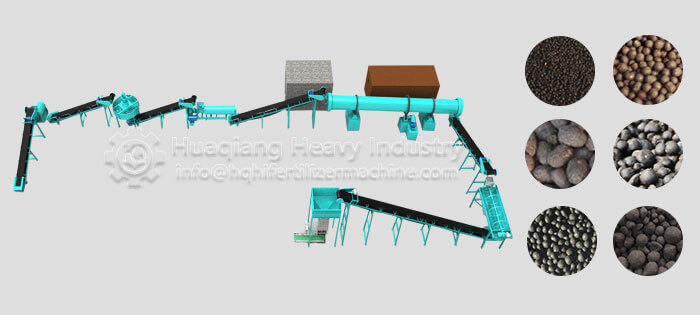
From the perspective of environmental protection and resource cycling, processing livestock manure into organic fertilizer addresses non-point source pollution from livestock waste at the source. High-temperature composting and harmless treatment effectively eliminate pathogens, parasite eggs, and odors, preventing soil and water pollution caused by haphazard dumping or discharge. Simultaneously, it transforms livestock waste into production inputs for the crop sector, creating a closed-loop resource system between livestock and crop farming that aligns with the development of ecological circular agriculture.
Regarding production and application versatility, the processing of this organic fertilizer is highly flexible, accommodating both large-scale organic fertilizer production lines and small-scale livestock farms. The finished product has a wide range of applications: it can serve as a base fertilizer for field crops or be blended with functional ingredients to create specialized fertilizers tailored to specific crop growth needs, making it one of the most widely used types of organic fertilizer today.